
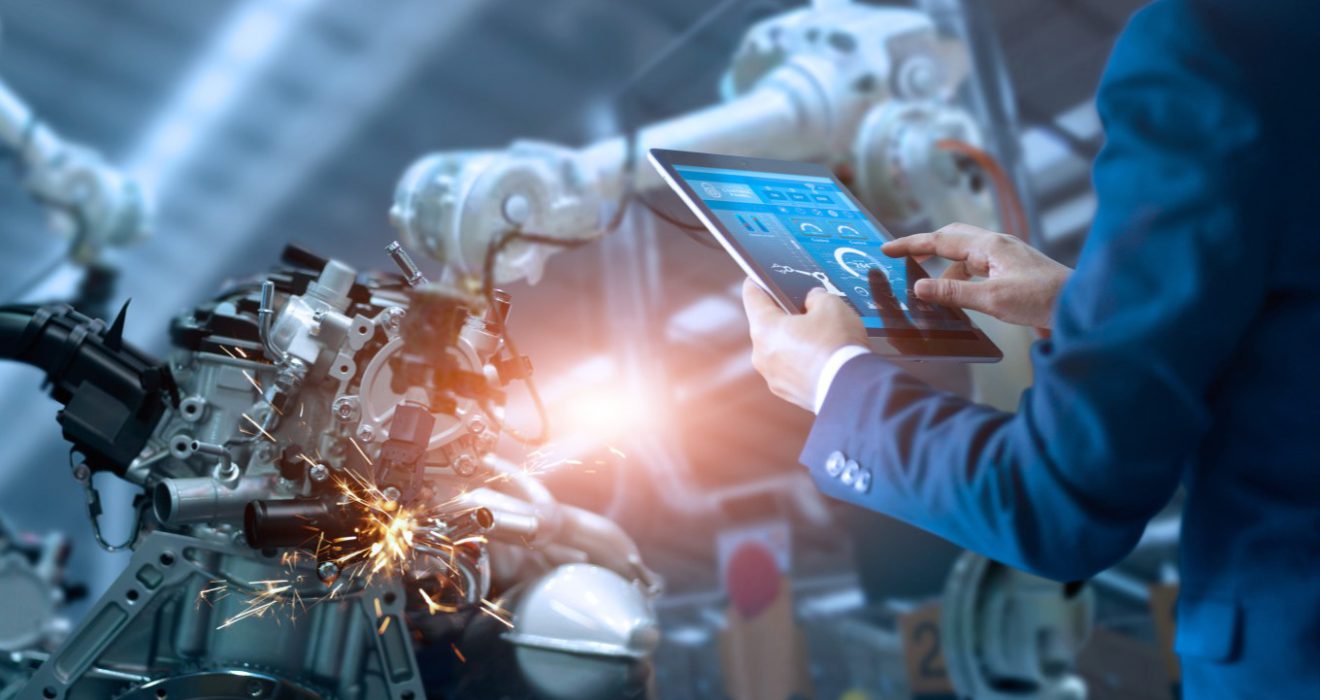
Latest IT Developments and Innovations
Introduction
The Information Technology (IT) industry is evolving at lightning speed, shaping how people live, work, and interact with the digital world. Businesses and governments are increasingly dependent on IT to streamline processes, enhance customer experiences, and maintain competitiveness. From Artificial Intelligence (AI) and Cloud Computing to Cybersecurity and Data Analytics, groundbreaking innovations are creating a foundation for the future. This document highlights the most significant IT developments and innovations that are defining the digital era and explores how they are transforming industries worldwide.
Artificial Intelligence (AI) and Machine Learning
AI and Machine Learning (ML) are at the heart of modern innovation. Advanced systems such as Chatbots, Generative AI models, and computer vision applications are already part of daily life.
– Business Applications: Companies are using AI to automate workflows, enhance fraud detection, deliver personalized shopping recommendations, and predict consumer behavior.
– Healthcare: AI assists doctors in diagnostics and drug discovery by analyzing vast amounts of medical data.
– Autonomous Systems: Self-driving cars, drones, and robotic assistants are powered by AI and ML.
– Future Outlook: AI is expected to grow further in ethical decision-making, advanced robotics, and self-learning systems.
Cloud Computing and Hybrid Solutions
Cloud technology is now the backbone of IT infrastructure. Organizations no longer rely only on local servers; instead, they leverage the scalability and flexibility of cloud services.
– Hybrid & Multi-Cloud: Many businesses combine private and public cloud solutions to optimize performance and security.
– Serverless Computing: Developers can run applications without worrying about server management.
– Edge Computing: Data is processed closer to where it is generated, reducing latency.
– Examples: Companies like Netflix, Zoom, and Dropbox rely heavily on cloud services to deliver seamless customer experiences.
Cybersecurity Advancements
The rapid adoption of digital platforms brings rising threats. Cybersecurity has therefore become a strategic priority.
– Zero Trust Architecture: Instead of trusting anything inside a network, every request is verified.
– AI-Powered Security: Machine learning systems detect unusual activity and stop cyberattacks before they cause damage.
– Data Privacy Regulations: Compliance with standards like GDPR and HIPAA is now crucial.
– Real-World Example: Financial institutions use AI-based fraud detection systems to protect online transactions.
Web and Mobile Development
Web and mobile platforms are evolving rapidly, focusing on speed, convenience, and user experience.
– Progressive Web Apps (PWAs): Websites that act like apps (e.g., Twitter Lite, Flipkart Lite).
– Cross-Platform Frameworks: Flutter and React Native allow developers to write once and deploy across iOS and Android.
– Low-Code/No-Code Platforms: Tools like Bubble, OutSystems, and Microsoft Power Apps enable faster app creation with minimal coding.
– User Experience (UX) and User Interface (UI): Apps now focus on simplicity, accessibility, and visually appealing designs.
– Future: Integration with AI, AR/VR, and 5G will drive next-generation mobile experiences.
Data Science and Advanced Analytics
Data is the ‘new oil’ of the digital age. Businesses that harness it effectively gain a significant edge.
– Predictive Analytics: Companies use historical data to forecast trends and make better decisions.
– Big Data Platforms: Technologies like Hadoop and Spark handle massive volumes of information.
– Business Intelligence (BI): Tools like Power BI and Tableau help visualize and interpret complex datasets.
– Example: Retailers use real-time analytics to personalize shopping experiences and optimize supply chains.
Emerging Technologies
Several cutting-edge technologies are moving from concept to reality:
– Blockchain: Ensures secure, transparent transactions in industries like finance and supply chain.
– Internet of Things (IoT): Smart homes, connected cars, and industrial IoT are reshaping daily life.
– Quantum Computing: Expected to solve complex problems in seconds that classical computers would take years to complete.
– 5G Networks: Enable faster, low-latency connectivity that supports AR/VR, autonomous vehicles, and remote surgeries.
E-Commerce Innovations
The e-commerce industry is one of the biggest adopters of IT innovations.
– PWAs: Flipkart Lite and Alibaba increased conversions significantly using PWAs.
– AI Personalization: Amazon and Nykaa recommend products based on user preferences.
– AR/VR Shopping: IKEA Place allows customers to preview furniture in their homes.
– Seamless Payments: Integration with Google Pay, Amazon Pay, and biometric authentication improves trust.
– Chatbots & Voice Assistants: Sephora and Amazon Alexa enable shopping via conversations.
Conclusion
The IT industry is in a state of continuous transformation. Innovations such as AI, cloud solutions, cybersecurity measures, advanced analytics, and emerging technologies are not only improving business operations but also redefining the way humans interact with technology. Organizations that embrace these changes will remain ahead in the digital future. Ultimately, innovation in IT is not just about adopting new tools — it is about creating a smarter, safer, and more connected world.
